Favorite Book: Pilgrim at Tinker Creek by Ann Dillard

Our life is a faint tracing on the surface of mystery, like the idle, curved tunnels of leaf miners on the face of a leaf. We must somehow take a wider view, look at the whole landscape, really see it, and describe what’s going on here. Then we can at least wail the right question into the swaddling band of darkness, or, if it comes to that, choir the proper praise.

I’ve started reading Pilgrim at Tinker Creek for the nth time and am enjoying it so much!

Reading: Caesar’s Women

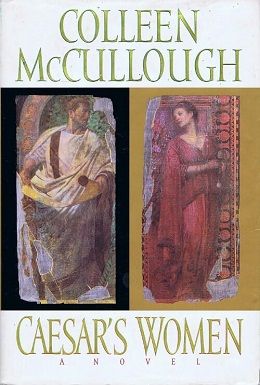
I’m currently reading Caesar’s Women, the 4th book in Colleen McCullough’s Masters of Rome series:

  1. The First Man in Rome – spans years 110 through 100 BCE
  2. The Grass Crown – spans years 97 through 86 BCE
  3. Fortune’s Favourites – spans years 83 – 69 BCE
  4. Caesar’s Women – spans years 67 – 59 BCE
  5. Caesar – spans years 54 – 48 BCE
  6. The October Horse – spans years 48 – 41 BCE
  7. Antony and Cleopatra – spans years 41 – 27

I collected all of the books in the series and started reading them, in order, several years ago. I’ve read books 1 through 3 and am now reading my way through book 4. My reading has stalled due to personal reasons and my attention has gotten pulled into other activities, but I’m back to reading and hope to finish this book soon.

We are all yeses

“We are all yeses. We are worthy enough, we passed inspection, we survived the great fetal oocyte extinctions. In that sense, at least — call it a mechanospiritual sense — we are meant to be. We are good eggs, every one of us.”


― Natalie Angier in “Women: An Intimate Geography”

The best thing for being sad

“The best thing for being sad,” replied Merlin, beginning to puff and blow, “is to learn something. That’s the only thing that never fails. You may grow old and trembling in your anatomies, you may lie awake at night listening to the disorder of your veins, you may miss your only love, you may see the world about you devastated by evil lunatics, or know your honour trampled in the sewers of baser minds. There is only one thing for it then — to learn. Learn why the world wags and what wags it. That is the only thing which the mind can never exhaust, never alienate, never be tortured by, never fear or distrust, and never dream of regretting. Learning is the only thing for you. Look what a lot of things there are to learn.”


― T.H. White, The Once and Future King
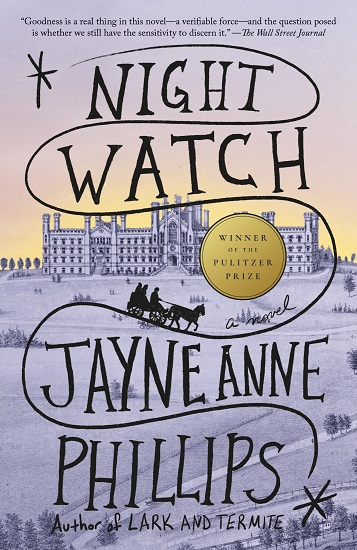
Current Reading List

Here’s the reading list of the Pulitzer Prize winning books I plan to read over the next several months:

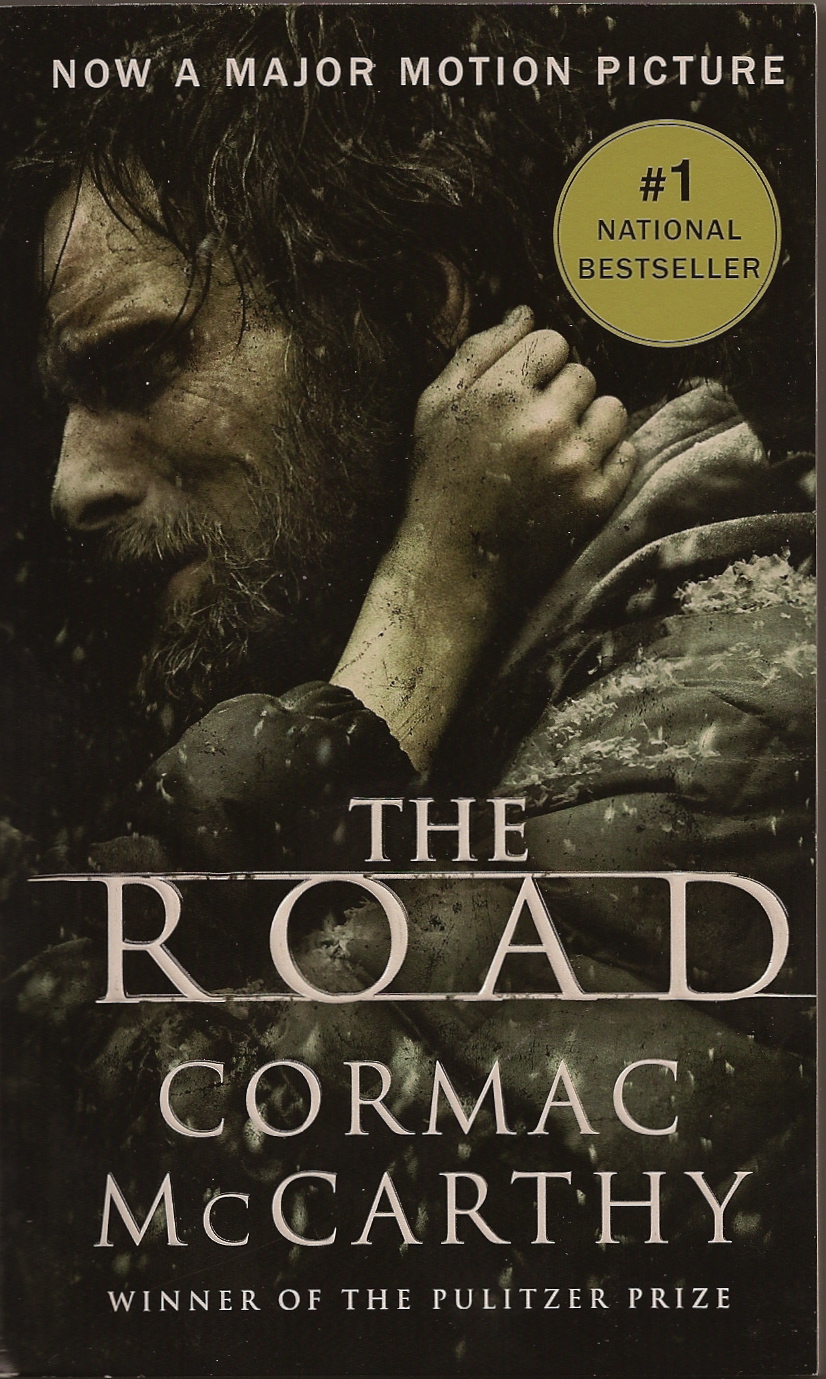
  1. The Road, by Cormac McCarthy (2007)
  2. The Late George Apley, by John Phillips Marquand (1938)
  3. Less, by Andrew Sean Greer (2018)
  4. The Sympathizer, by Viet Thanh Nguyen (2016)
  5. The Age of Innocence, by Edith Wharton (1921)
  6. The Yearling, by Marjorie Kinnan Rawlings (1939)
  7. Honey in the Horn, by Harold L. Davis (1936)
  8. The Reivers, by William Faulkner (1963)
  9. The Good Earth, by Pearl S. Buck (1932)

A Thousand Acres

10497927_1018611118168012_5721471738888668886_oStarStarStarStarStar

This was the second time I read “A Thousand Acres.” So many years had passed since the first time I read it, I didn’t remember many of the details of the story. But as the story enfolded, it all felt very familiar to me.

I thoroughly enjoyed the book, but the story is so sad. The book starts up slowly – the author spends much time building the setting, describing the characters, and does a great job describing the family dynamics. Around the midpoint of the book, everything starts falling apart for the families that are central to the story. It is compelling and heart breaking to see how the family’s carefully crafted façade begins to fall apart as the characters and family ties implode and eventually collapse.